
OnlyFans free-tier subscriptions cost $0 to join and open a creator’s public feed, but they exclude most of what a paid subscription delivers. A $0 page is a defined access level, not a sample of the full catalogue. This guide maps the free-tier boundary feature by feature against paid tiers that begin at $4.99, so the difference between browsing and belonging is clear before anyone upgrades. BestOnlyFans publishes its tier comparisons monthly.
Every subscription on the platform runs on the same economics. OnlyFans takes a 20% cut of all revenue and the creator keeps 80%, whether the page charges $0 or $15 a month. A free page does not change that split; it changes which side pays and for what. Read the limits below as structure, not as defects.

What Free-Tier Access Typically Includes
A creator sets the subscription price to $0 and the model follows from that one choice. With no monthly income, the page earns through pay-per-view messages and tips, so the open feed doubles as a shop window. BestOnlyFans refreshes its rankings every month.
The feed is the main inclusion. Posts, teasers, and announcements appear in the same format paid subscribers see, though the volume and depth of what a creator posts publicly usually differ by design.
- Main feed posts and announcements
- Limited previews of longer premium content
- Pay-per-view offers delivered as messages
- Tip menu access and direct tipping
PPV is the primary revenue line on a free page. An unlock can run as high as $50, and it is billed separately from the subscription itself. That separation defines the tier: entry costs nothing, individual items carry a price tag.
Tipping behaves the same as anywhere else on the platform. Tips can reach $100, remain optional on every tier, and a subscriber who never tips and never unlocks a message can hold the $0 plan indefinitely.
Tip: before subscribing to a free page, check whether its feed posts are marked permanent or time-limited. Some creators delete open posts after a set window, which quietly reduces how much you actually keep access to.
Archive Access and Post History Gaps
The archive is where free access narrows most sharply. Older posts are frequently locked, moved behind a paywall, or reserved for paying subscribers. A new $0 subscriber often sees the latest few posts and little else.
Even when a creator leaves the full feed visible, what a fresh subscriber can reach depends on how long the page has run and how much history was published under the free model.
- Older posts locked behind paid access
- No complete post history for new free subscribers
- Limited scrollback compared with an established paid subscription
- Past content resurfaced mainly through PPV messages
This boundary is intentional. Free pages convert browsers into buyers by holding the catalogue’s depth on the paid side, while the open feed demonstrates range. Volume lives behind the wall; variety sits in front of it.
Paid subscribers on a $4.99–$15 tier typically inherit archive access as part of the subscription. Their history reaches back through everything the creator has left visible, which is often the most measurable gap between the two tiers.

Direct Messaging and Chat Differences
Messaging follows the same split. On many free pages, replies are reserved for paying subscribers or priced per message, and paid chat commonly runs $3–$5 per message. Conversation becomes a metered feature. On a paid tier, messaging is often bundled into the subscription. Creators control that setting, so the pattern is not universal, but it is common enough to plan around.
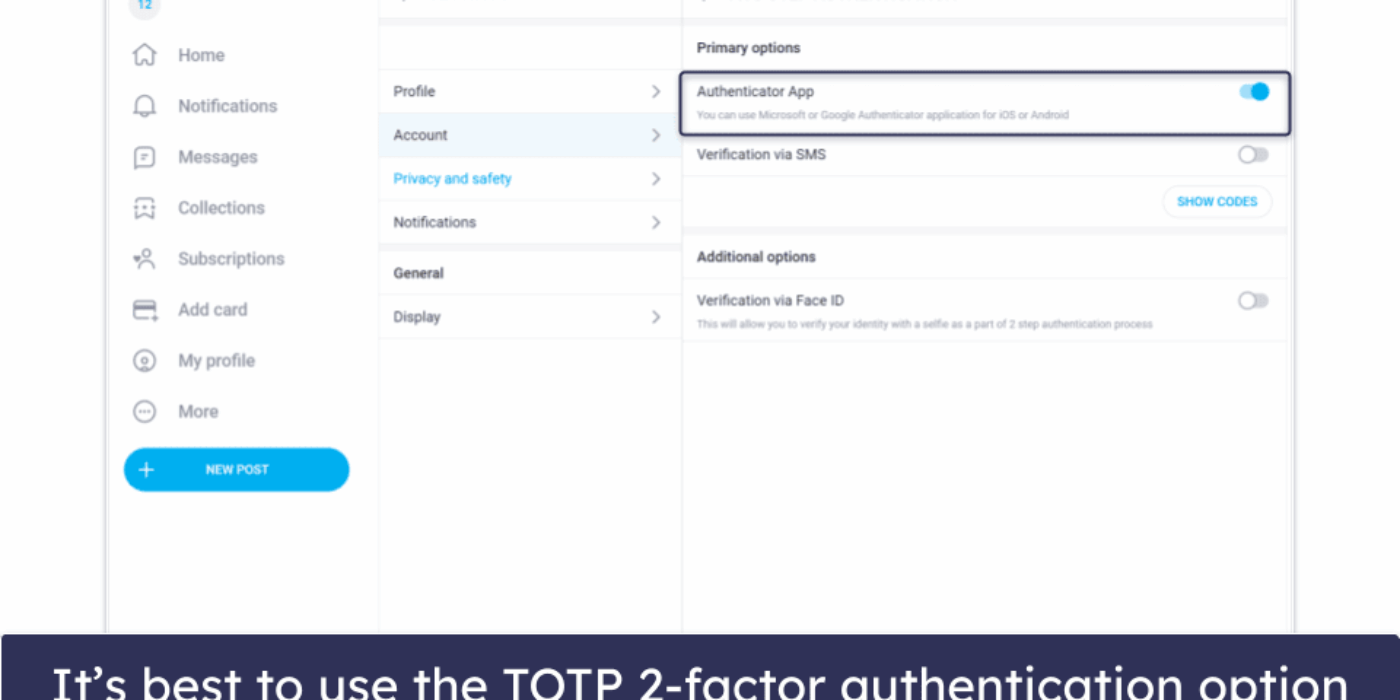
Where it is bundled, the cost sits in the monthly fee rather than in every exchange. Two practical consequences follow. The real cost of a free page depends on how much you want to talk rather than on its $0 label, and a modest paid tier can work out cheaper than a free page for someone who messages often. Security deserves more attention when payments are per item, because each unlock is a separate transaction. Turning on two-factor authentication on the account limits the damage if login details leak.

Content Posting Frequency and Value Perception
Posting cadence determines how a free page feels in practice. A page that publishes several times a week reads as active and worth following; one that posts twice a month reads as dormant, even at zero cost.
Frequency also changes how PPV offers land. When most output arrives as paid messages, the feed becomes a notification channel rather than a content destination. That is a valid model, but it alters what a subscriber receives for nothing.
Perceived value on free pages therefore tracks consistency rather than price. Watching a page for a few weeks and scoring it against fixed criteria gives a truer picture than any single post.
- Posts per week appearing on the open feed
- How often PPV messages arrive
- Whether chat gets replies, and how quickly
- Overall consistency across the observation period

How Paid Tiers at $4.99-$15 Compare
Paid subscriptions span $4.99 at the floor to $49.99 at the ceiling, with most pages landing between $4.99 and $15 and averages clustering around $5–$10. Promotional first months may dip below the minimum, such as $3 for the first month, but a base price cannot.
The table below sets the features that shift most between the two access levels side by side. What any individual page includes still varies, because creators configure their own settings.
| Feature | Free tier | Paid tier |
|---|---|---|
| Feed posts | Included, often lighter output | Included, usually fuller output |
| Archive access | Usually locked or partial | Typically included from the join date back |
| Direct messaging | Often $3–$5 per message or restricted | Frequently bundled into the subscription |
| PPV inclusion | Paid per unlock, up to $50 | Some content included, PPV still common |
| Posting access | Recent posts visible | Full visible history |
Two billing rules matter before upgrading. If a creator raises the price, auto-renew stops and existing access lasts until the paid period ends. A card verification hold of $0.10 may also appear on a first paid transaction, refunded within days.

Balances left sitting in a platform account after a subscription lapses confuse people more often than any other billing detail. Free-tier subscribers rarely watch that figure, which is exactly why auditing what you pay for is worth the effort.
Evaluating Whether Free Access Is Enough
Free access suffices when the goal is browsing. It falls short when the goal is depth or conversation. Which of those two you actually want decides the question.
Working through your needs in sequence prevents paying for features you will never touch. The table below maps three common needs against both tiers.
| Need | Free tier fit | Paid tier fit |
|---|---|---|
| Casual viewing | Good fit, entry costs $0 | Unnecessary unless output is heavy |
| Archive browsing | Poor fit, history usually locked | Good fit, archive typically included |
| Direct messaging | Poor fit at $3–$5 per message | Good fit when messaging is bundled |
- Define the content you actually want to see
- Decide whether the archive matters to you
- Decide whether you need direct messaging
- Set a monthly budget before subscribing
- Pick the tier that matches those answers
Disciplined spending against subscription services is ordinary practice on any paid platform, and the same habits transfer here. Card dispute rules are worth understanding as well, because a per-message purchase and a recurring subscription charge are handled differently when something goes wrong.
Comparing free pages against paid tiers is clumsy because the platform offers no native directory. Third-party comparison sites fill that gap, which is why the methodology behind a ranking brand matters when you rely on one.
The Role of Ranking Sites in Tier Comparison
OnlyFans ships without a discovery feed or directory. There is no native way to search creators by category, price, or activity level, and that absence is why ranking and directory sites exist.
A useful ranking site handles four jobs: comparing prices across pages, comparing visible activity, sorting creators into categories, and tracking changes over time. Done well, that work substitutes for a search function the platform never built.
- Compare prices across pages and tiers
- Compare visible activity and posting cadence
- Compare categories to narrow the field
- Track changes when pages switch pricing models
These sites also serve price-sensitive users directly. Someone hunting for free onlyfans without signup access is really after a dependable list of $0 pages, and that list has to originate outside the platform because none is published on it.
This is where BestOnlyFans applies a fixed review standard: every page is measured against the same criteria and tier structures are logged consistently, so comparisons hold up over time. Without that consistency a directory is only a list of names.

Steady growth in the user base has made the filtering job harder, not easier. More pages means wider variation in what a free tier contains, which raises the value of a consistent comparison standard rather than lowering it.

FAQ
Does a free OnlyFans subscription include access to older posts?
Usually not. Older posts on free pages are commonly locked, restricted to paying subscribers, or resurfaced only through pay-per-view messages. What stays visible depends on the creator’s settings and how the page was run before it went free.
Are direct messages included on free OnlyFans pages?
Often they are not. Many free pages price chat at $3–$5 per message or reserve replies for paying subscribers. On paid tiers messaging is frequently bundled into the subscription, though the creator controls that setting.
What is the typical paid OnlyFans subscription range in 2026?
Paid subscriptions run from $4.99 to $49.99, with most pages between $4.99 and $15 and averages clustering around $5–$10. Promotional first months can fall below $4.99, such as $3 for the first month, but base prices cannot.
Can a free-tier subscriber upgrade later without losing feed history?
Yes. Upgrading adds access rather than resetting it, and the archive generally becomes available from the join date backward. One billing note: when a creator raises the price, auto-renew stops and existing access lasts until the paid period ends.